
Employee Loyalty Rewards: Meaning, Benefits & Strategies
13 April, 2026
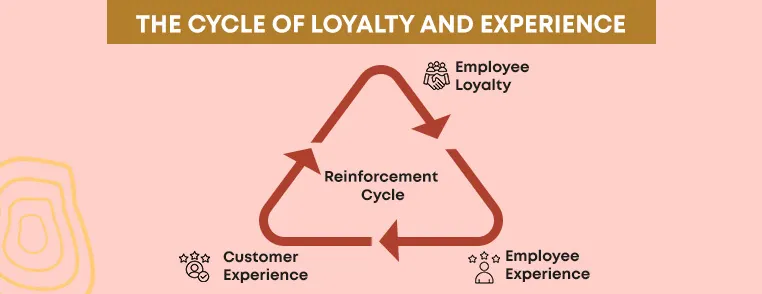
Employees are the backbone of every organization. When employees feel valued and appreciated, they are more likely to stay loyal to the company and perform better. This is where employee loyalty rewards play an important role. Employee loyalty rewards help organizations recognize the dedication, commitment, and long-term contribution of employees. They also help build stronger relationships between companies and their teams. In this blog, we will understand the meaning of employee loyalty rewards, their benefits, and the strategies companies can use to build a strong employee loyalty program. Read More - What Is a Loyalty Program? Meaning, Types, and Benefits Employee loyalty rewards are incentives or recognition given to employees for their dedication, long service, and contribution to a company. These rewards can be given when employees achieve milestones such as completing 3 years, 5 years, or 10 years with the company. They can also be given for consistent performance, teamwork, and commitment. The goal of employee loyalty rewards is to appreciate employees and encourage them to continue contributing to the organization. Common examples include: - Gift cards - Bonus incentives - Recognition awards - Extra leave days - Career growth opportunities - Learning and development programs When companies reward loyalty, employees feel valued and motivated to stay with the organization for a longer time. An employee loyalty program is a structured system designed to reward employees regularly for their commitment, achievements, and long-term association with the company. Many HR professionals design these programs to create a positive work culture and improve employee satisfaction. A typical employee loyalty program may include: - Service milestone rewards - Points-based reward systems - Recognition platforms - Performance incentives - Team appreciation programs These programs help organizations build a culture where loyalty and dedication are appreciated. Employee loyalty is more than just staying with a company for many years. It reflects trust, commitment, and alignment with company goals. When employees are loyal, they: - Work with greater dedication - Support team members - Contribute to long-term company success - Help maintain a positive work environment Companies that focus on employee loyalty often experience better productivity and stronger workplace relationships. Read More - How Loyalty Recognition Helps Businesses Retain Customers Reward programs help employees feel connected to the organization. When employees see that their efforts are recognized, employee engagement naturally improves. Engaged employees are more enthusiastic about their work and participate actively in company initiatives. Replacing employees can be expensive and time-consuming. Loyalty rewards encourage employees to stay with the organization longer. A strong employee loyalty program reduces turnover and helps companies retain experienced talent. Recognition and rewards create a workplace where appreciation is part of everyday culture. Employees feel respected and valued. This helps build trust between employees and management. When employees know that their dedication and efforts will be recognized, they are motivated to perform better. Loyalty rewards encourage employees to maintain consistent performance and contribute to company goals. Organizations that value and reward employee loyalty attract better talent. When employees share positive experiences, it improves the company’s reputation as a great place to work. A well-designed employee loyalty program should have clear goals, reward criteria, and transparent processes. Employees should understand how they can earn rewards and what milestones they can achieve. Rewards should be useful and meaningful for employees. Instead of generic gifts, companies can offer: - Flexible work benefits - Skill development opportunities - Travel rewards - Wellness benefits Meaningful rewards increase the impact of loyalty programs. Read more - What is an Employee Loyalty Program? Benefits & Uses Celebrating work anniversaries and achievements publicly creates a culture of appreciation. Recognition during company meetings, newsletters, or internal platforms helps employees feel proud of their contributions. Many companies use reward platforms where employees earn points for their achievements and loyalty. These points can later be redeemed for various rewards such as vouchers, merchandise, or experiences. This system keeps employees motivated over time. Managers play an important role in building employee loyalty. When managers actively recognize and reward their teams, employees feel more connected to the organization. HR professionals are responsible for designing and managing loyalty initiatives within organizations. Their responsibilities include: - Creating fair reward systems - Tracking employee milestones - Managing recognition platforms - Gathering employee feedback - Improving engagement strategies By understanding employee expectations, HR professionals can design loyalty programs that truly motivate teams. Employee loyalty rewards are an important part of modern workplace culture. They help organizations appreciate the dedication and long-term commitment of employees. A well-designed employee loyalty program not only improves employee engagement but also strengthens relationships between employees and organizations. When companies actively recognize and reward employee loyalty, they create a positive work environment where employees feel valued, motivated, and inspired to contribute to long-term success.What are Employee Loyalty Rewards?
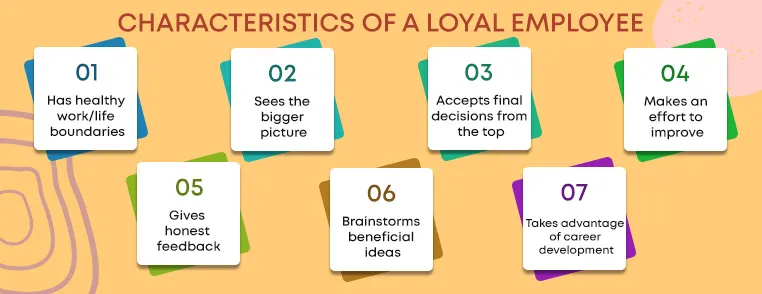
What Is an Employee Loyalty Program?
Why Employee Loyalty Is Important?
Benefits of Employee Loyalty Rewards
1. Improves Employee Engagement
2. Increases Employee Retention
3. Builds a Positive Work Culture
4. Encourages Better Performance
5. Strengthens Employer Branding
Effective Strategies for Employee Loyalty Rewards
1. Create a Structured Loyalty Program
2. Offer Meaningful Rewards
3. Recognize Milestones Publicly
4. Use Points-Based Reward Systems
5. Encourage Manager Participation
The Role of HR Professionals in Employee Loyalty Programs
Conclusion