



Student Rewards: Why and How They Motivate Students
09 April, 2026
Education is not only about exams and grades. Motivation and recognition also play an important role in a student’s learning journey. This is where student rewards become useful. Schools, colleges, and learning platforms use reward programs to encourage students, recognize achievements, and create a positive learning environment. Many institutions today also introduce a student reward program to reward academic performance, participation, and positive behavior. When students feel appreciated for their efforts, they become more motivated to learn and participate. Well-designed student rewards systems help students stay engaged, build confidence, and develop positive habits. Read More - Best 5 Student Loyalty Programs Student rewards are incentives given to students for their achievements, efforts, participation, or positive behavior. These rewards are used by educational institutions to recognize students and encourage them to continue doing well. In many schools and colleges, a student reward program works in a structured way where students earn points or recognition for completing certain goals. Common examples of student rewards include: - Certificates and medals - Gift cards or vouchers - Points or cash point systems - Public recognition in school assemblies - Special privileges such as leadership roles The main purpose of student rewards is to motivate students and make them feel valued for their efforts. Reward systems can make a big difference in how students approach learning. When students know their efforts will be recognized, they are more likely to stay focused and motivated. Here are some reasons why student rewards are important. Recognition encourages students to put more effort into their studies and activities. A well-designed student reward program gives students a clear goal and motivation to perform better. When achievements are rewarded, students try to maintain or improve their performance. This helps them stay focused on academic goals. Reward systems can also encourage discipline, teamwork, and helpful behavior among students. Many institutions use a loyalty program-style approach where students earn points for positive actions. Students become more willing to participate in classroom discussions, competitions, and school activities when they know they can earn loyalty reward points or recognition. Recognition boosts confidence. Students feel proud when their efforts are noticed and appreciated. Read More - Top 5 Restaurant Loyalty Programs for Students Educational institutions use different types of student rewards depending on what they want to encourage. These rewards recognize students who perform well in exams, assignments, or academic competitions. Examples include: - Merit certificates - Top scorer awards - Scholarships These are some of the most common student rewards examples used in schools and colleges. These rewards focus on good behavior, discipline, leadership, and helping others. Examples include: - Student of the Month awards - Leadership recognition - Positive behavior certificates Not every reward needs to be based on grades. Schools can also recognize students who take part in activities and events. Examples include: - Participation certificates - Sports and cultural activity awards - Club recognition These student rewards examples encourage students to explore different interests beyond academics. Many institutions now use digital point systems where students earn cash point or reward points for completing tasks or achieving goals. These points can later be exchanged for gifts, vouchers, or other benefits. This approach is similar to a loyalty program used by businesses, where consistent participation leads to rewards. Read More - 7 ways of Boosting Engagement with Loyalty Programs at Corporate Events Schools and colleges can introduce creative student reward ideas to keep students motivated. Some popular student reward ideas include: - Digital badges for achievements - Gift vouchers or school merchandise - Extra library or lab access - Invitations to special workshops - Recognition on school websites or social media Creative student reward ideas help make recognition more exciting and meaningful for students. Technology has also changed the way reward programs are managed. Many institutions now use student reward apps to track achievements and manage rewards. These student reward apps allow teachers and administrators to assign points, monitor progress, and distribute rewards easily. Benefits of using student reward apps include: - Easy tracking of achievements - Fair and transparent reward systems - Better student engagement - Simple reward redemption Digital tools also make it easier to run a student reward program for a large number of students. Reward systems are not only useful for schools. Many universities and institutions also offer college student reward programs. A college student reward program can include: - Internship opportunities - Scholarship benefits - Campus recognition awards - Discount partnerships with brands These college student reward initiatives help motivate students while also supporting their academic and professional growth. Recognition plays an important role in student development. Well-designed student rewards systems help motivate learners, increase participation, and create a positive learning environment. By combining structured student reward program strategies, creative student reward ideas, and modern student reward apps, educational institutions can create meaningful reward experiences. Whether through academic recognition, cash point systems, or loyalty reward programs, rewarding students helps build motivation and long-term engagement. In the long run, thoughtful student rewards programs help students stay motivated, confident, and ready to achieve their goals.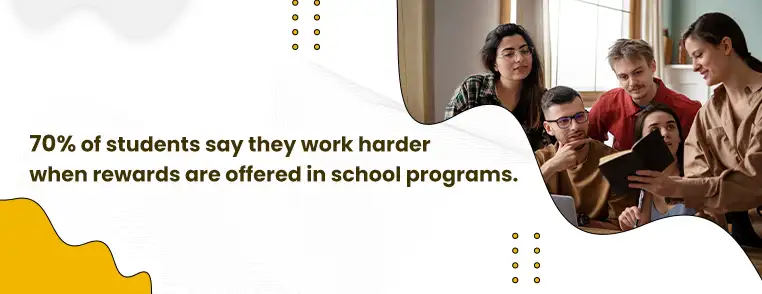
What are Student Rewards?
Why Student Rewards are Important?
1. Improves Motivation
2. Encourages Better Performance
3. Promotes Positive Behavior
4. Increases Participation
5. Builds Confidence
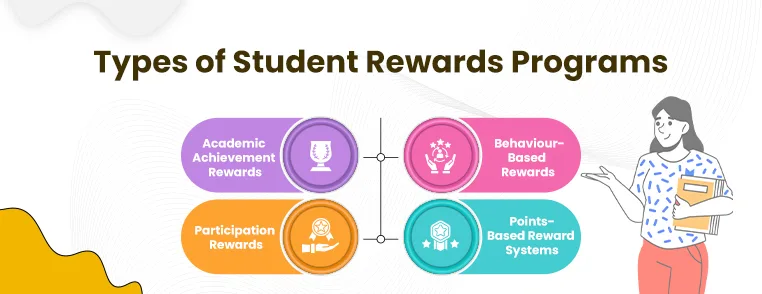
Types of Student Rewards Programs
A. Academic Achievement Rewards
B. Behavior-Based Rewards
C. Participation Rewards
D. Points-Based Reward Systems
Student Reward Ideas for Schools and Colleges
Student Reward Apps and Digital Platforms
College Student Reward Programs
Conclusion