
Employee Loyalty in Europe vs America: Key Differences
05 May, 2026
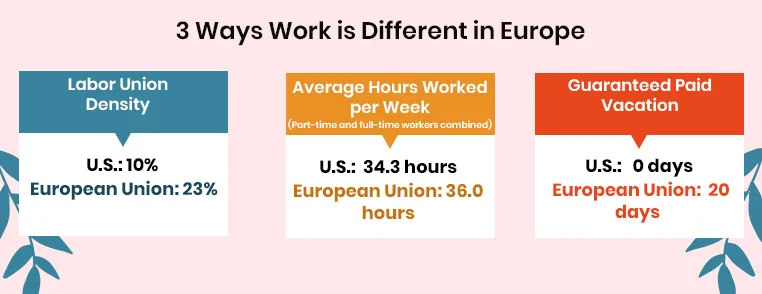
Work culture is not the same everywhere. It changes from continent to continent, influenced by lifestyle, economic conditions, and what people value most in their daily lives. What an Employee in Europe expects from a job can be very different from what an Employee in America looks for. In some regions, job security, fixed routines, and personal time matter the most. In others, employees are more focused on faster growth, better pay, and new opportunities. These differences shape how people connect with their organizations. Employee loyalty is no longer just about staying in one company for years. It depends on whether the job meets expectations. For some, loyalty comes from stability and long-term benefits. For others, it comes from growth and recognition through employee rewards. Because of this, companies need to rethink employee loyalty in the workplace and create strategies that match what employees actually want. Read more - Top 5 Employee Loyalty Programs in Europe An Employee in Europe benefits from strong labor laws, clear contracts, and job protection. This creates a sense of security and builds long-term employee loyalty. An Employee in America works in a more flexible system where job changes are easier. While this creates opportunities, it can reduce employee loyalty in the workplace over time. An Employee in Europe often enjoys a better work-life balance, with more holidays and clear boundaries between work and personal life. This improves satisfaction and strengthens employee loyalty. An Employee in America usually works in a fast-paced environment where long hours are common. Growth is faster, but maintaining employee loyalty in the workplace can be more challenging. In Europe, employee rewards often include healthcare, pensions, and paid leave. These long-term benefits help build trust and strong employee loyalty. In America, employee rewards are more performance-based. Bonuses, incentives, and salary hikes are used to attract and retain talent. For an Employee in America, these rewards play a major role in staying motivated. Read more - Top 30 Finance loyalty programs in the world An Employee in Europe usually follows a “work to live” mindset. Personal life is important, and companies that respect this build stronger employee loyalty in the workplace. An Employee in America often focuses on career growth. Promotions, skill development, and better roles drive decisions, shaping a different kind of employee loyalty. For an Employee in Europe, switching jobs frequently is less common and sometimes discouraged. This supports long-term employee loyalty in the workplace. For an Employee in America, job hopping is normal. Employees move for better opportunities, which makes employee loyalty more flexible and short-term. European companies focus on long-term strategies that improve employee loyalty in the workplace, such as tenure-based benefits and structured systems. American companies rely heavily on employee rewards like bonuses, recognition, and incentives to maintain employee loyalty. These programs are designed to keep an Employee in America engaged and motivated. To retain an Employee in Europe, companies focus on stability, benefits, and a supportive work environment. This naturally improves employee loyalty. To retain employees in America, businesses focus on growth opportunities, flexibility, and strong employee rewards systems that boost employee loyalty in the workplace. Read more - Top 5 Hotel loyalty programs for employees in Europe The difference between an Employee in Europe and an Employee in America comes down to priorities. - Europe builds employee loyalty through stability, balance, and long-term benefits - America builds employee loyalty through growth, flexibility, and strong employee rewards Both approaches shape employee loyalty in the workplace in different but effective ways. Understanding what drives an Employee in Europe versus an Employee in America is important for any global business. There is no single strategy that works everywhere. To build strong teams, companies must focus on employee loyalty, use meaningful employee rewards, and improve employee loyalty in the workplace based on regional needs. When businesses align with what employees truly value, loyalty becomes natural and long-lasting.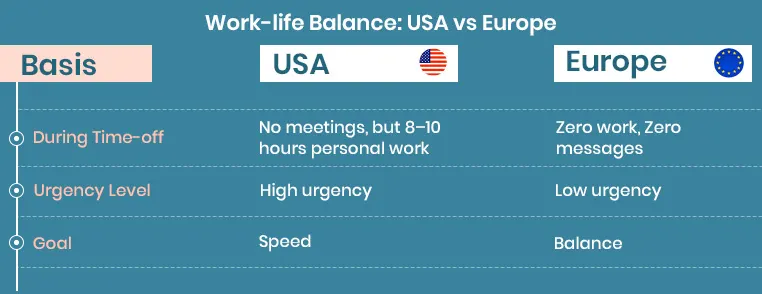
Employee Loyalty in Europe vs America
1. Job Security and Employment Laws
2. Work-Life Balance vs Fast-Paced Culture
3. Benefits and Employee Rewards
4. Cultural Mindset
5. Job Hopping Trends
6. Role of Employee Loyalty Programs
7. Retention Strategies
Employee Loyalty Europe vs America: Key Takeaway
Conclusion